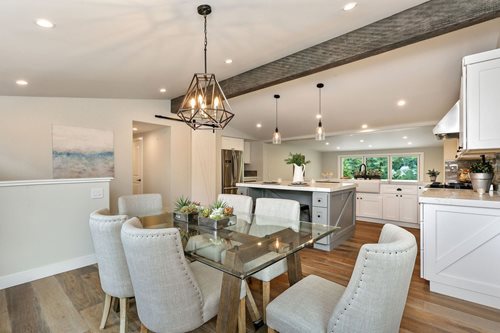
By Industry Partner Barron Designs
Ceiling imperfections, like cracks, sloped surfaces, exposed ductwork, or outdated structural beams, can make a room feel unfinished or dated. Fortunately, you don’t have to live with them. With affordable wood and faux beam wraps, you can turn unsightly ceilings into eye-catching architectural features.
Types of Beam Wrap Materials
Choosing the right material depends on your budget, desired look, and how much of the project you want to DIY. Here are the most popular options:
1. Real Wood Planks
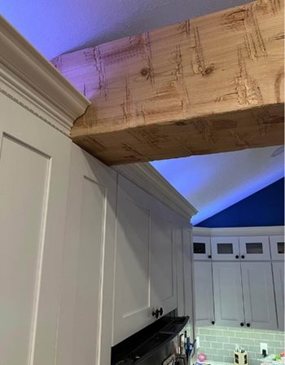 <Heavy Hand Hewn Wood Planks in Warm Natural
Use authentic wood planks to frame and cover ducts, wires, or structural elements. Wood offers a timeless, natural look but requires some woodworking skills to assemble a 3-sided beam. Hiring a contractor can simplify installation but may increase costs.
2. Faux Wood Planks
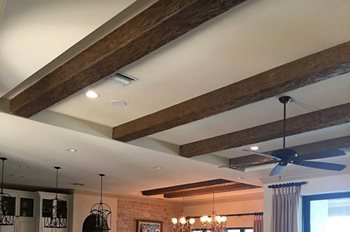 <Tuscany Faux Wood Planks in Caramel
Faux wood planks, made from lightweight high-density polyurethane, are an affordable alternative to real wood. They mimic natural wood grain while reducing material costs and installation effort. Some woodworking knowledge is still helpful to join them into a cohesive beam wrap.
3. Pre-Assembled Real Wood Beams
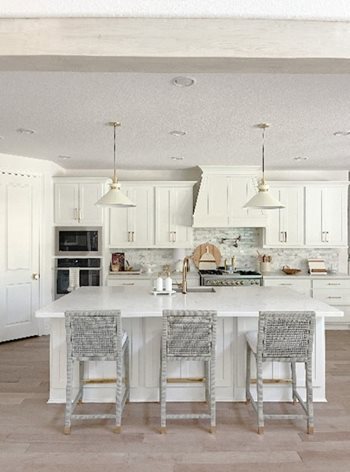 < Unfinished faux wood beams custom painted white
Pre-assembled beams save time and effort, eliminating the need for cuts, miters, or complex assembly. They offer the texture and warmth of real wood and come in a variety of colors and styles to match modern, farmhouse, or traditional interiors.
4. Pre-Assembled Polyurethane Faux Wood Beams
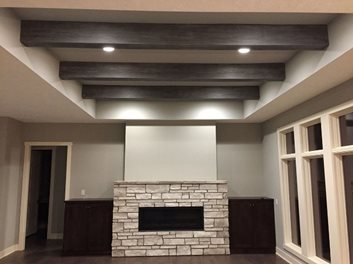 <Resawn Faux Wood Beams in Gray Patina
Durable, hand-painted faux beams replicate the look of solid wood at a fraction of the cost. They are lightweight, easy to handle, and perfect for DIY projects, making them ideal for concealing ductwork or other ceiling flaws without specialized tools.
5. MDF Planks and Drywall
Medium-density fiberboard (MDF) or drywall can also be used to create beam wraps. MDF is budget-friendly and easy to paint, but heavier and more moisture-sensitive, so it’s best for dry, interior spaces. Drywall offers a smooth, seamless finish but requires careful assembly.
6. Repurposed Hardwood Flooring
Leftover hardwood flooring can double as a beam wrap material, providing a unique, rustic look. This option works best if you have enough material on hand.
How to Use Beams to Hide Ceiling Flaws
Rather than just covering imperfections, make them a design feature:
-
Custom Fit: Choose pre-assembled beams tailored to your ceiling dimensions
-
Easy Installation: Attach beams to studs or wood blocks for secure placements
-
Accommodate Fixtures: Faux beams can work around lights, fans, and ductwork
-
Add Style: Customize with paint, stain, or decorative trim for a personalized look
Why Beam Wraps Are a Smart Choice
Beam wraps provide a fast, cost-effective way to transform ceilings:
-
Affordable: Faux beams are budget-friendly compared to solid wood
-
Low-Maintenance: Durable materials reduce upkeep over time
-
DIY-Friendly: Many options are lightweight and simple to install
-
Versatile: Available in multiple styles, colors, and finishes to suit any décor
Ready to Upgrade Your Ceiling?
Ceiling imperfections don’t have to limit your design. With wood and faux beam wraps. You can create a polished, professional look that enhances your home’s character. Explore our collection of pre-assembled beams for easy installation and immediate visual impact.
View Our Wood & Faux Wood Beams